Love the clean lines, butterfly roofs, and glassy walls you see in Palm Springs listings, but not sure how to tell the real thing from a makeover? If you are coming from out of town, it can be tough to compare homes, gauge condition, and understand why one is priced above another. This guide gives you the language, checklists, and practical steps you need to shop mid-century modern homes with confidence. Let’s dive in.
What makes Palm Springs MCM unique
Core design language
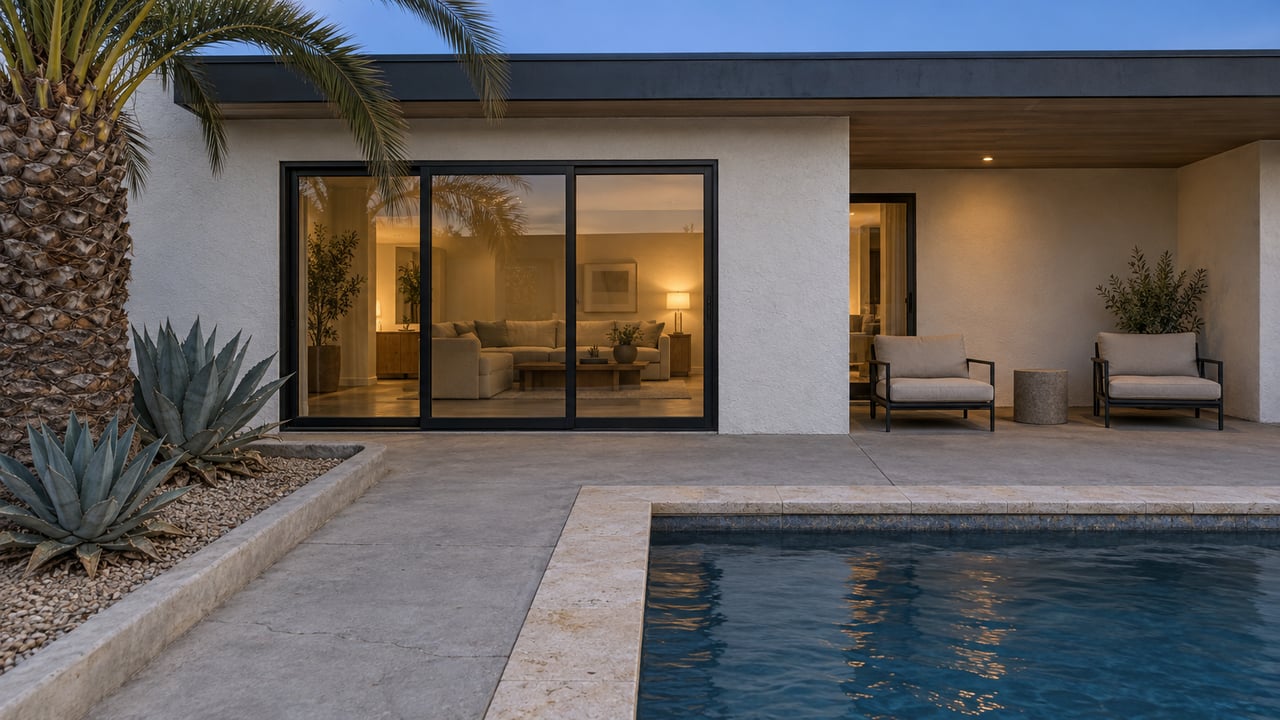
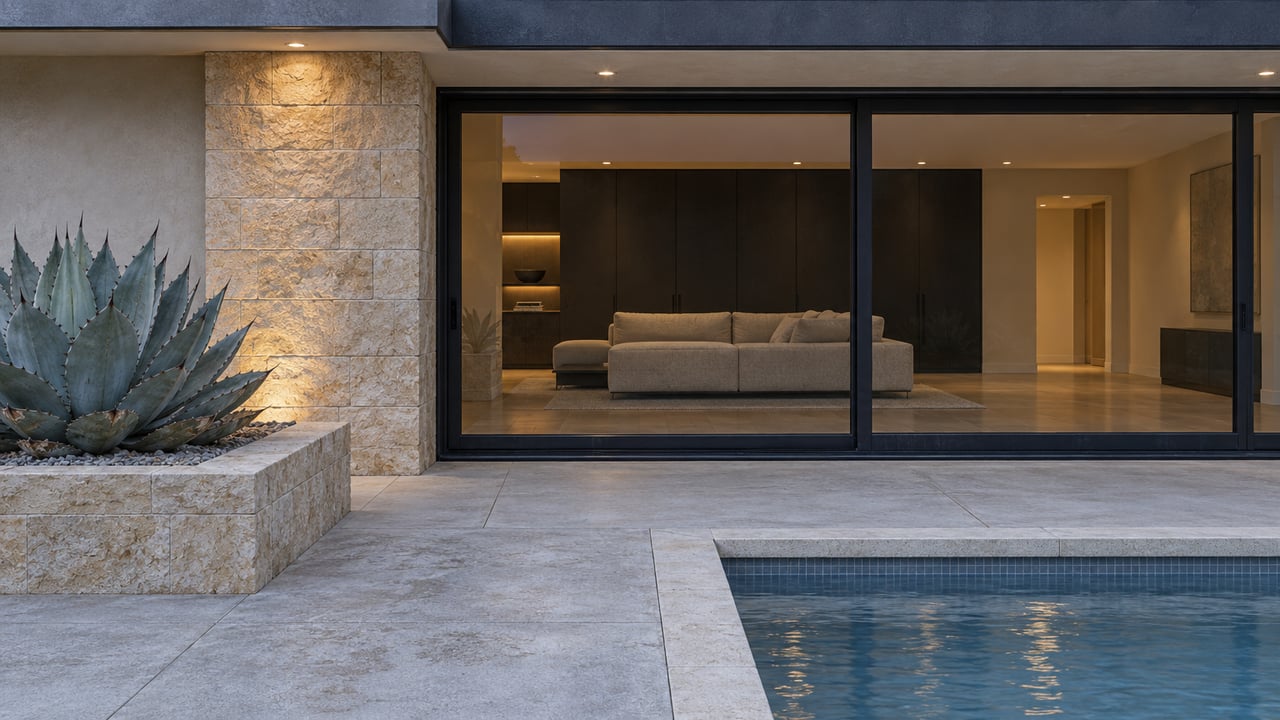
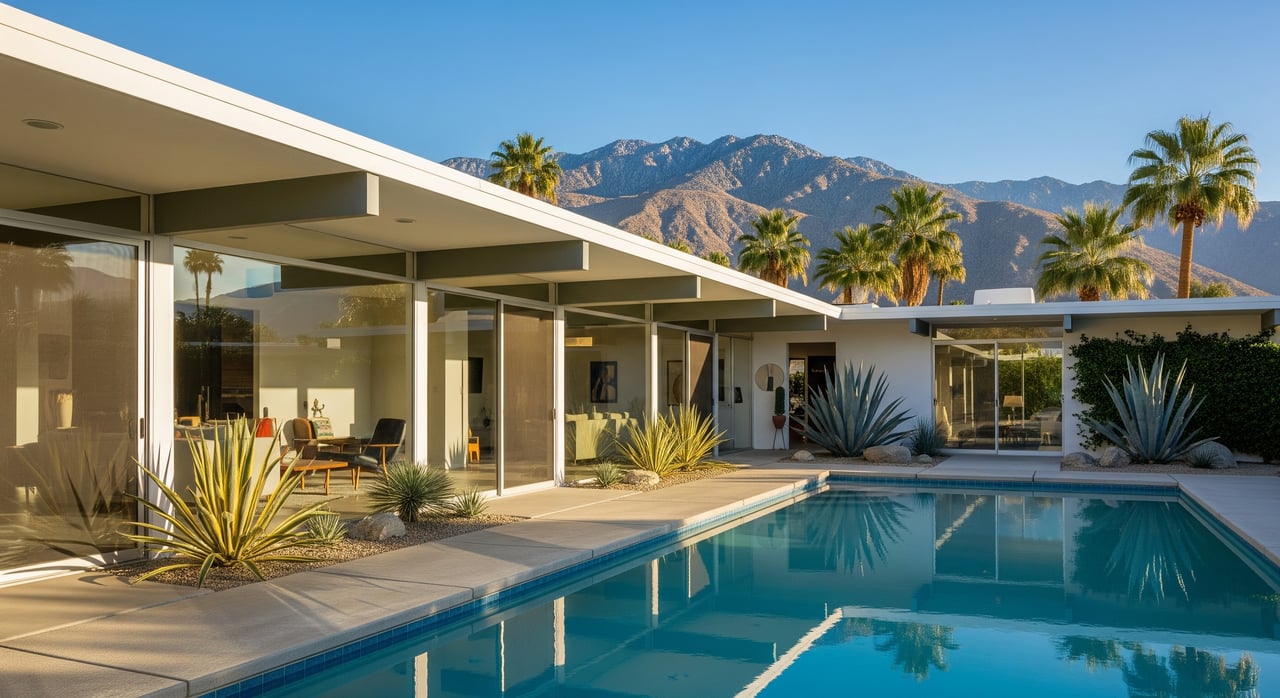
Palm Springs mid-century modern centers on indoor-outdoor living. You will see large sliding glass doors, patios, and pool-focused layouts that connect inside and out. Rooflines tend to be flat, shallow, or butterfly, with long overhangs for shade. Exposed post-and-beam construction, clerestory windows, and minimal ornamentation highlight structure and light. Plans are open and informal, with public rooms flowing together and a separate bedroom wing for privacy.
Authentic vs. styled remodels
Original steel windows, single-pane glass, terrazzo floors, breeze blocks, and built-ins are strong signs of authenticity. Heavily stuccoed exteriors, vinyl window replacements, or walls opened beyond the original structure often indicate later alterations. The term “mid-century modern” is broad in listings, so take note of materials and details before assuming provenance.
Architects, builders, and eras
Names you will see
You will often see William Krisel and Dan Palmer linked to tract neighborhoods with smart, economical plans. Donald Wexler is known for innovative steel systems. E. Stewart Williams, Albert Frey, and John Lautner are associated with significant custom works. Alexander Construction Company developed many post-war subdivisions that deliver the look at a wider range of price points.
Why provenance matters
Architect-designed custom homes typically carry higher values and stronger preservation expectations. Tract moderns by Krisel, Wexler, or Alexander can be more accessible and vary widely in condition. Homes that borrow mid-century motifs without original fabric are valued by the quality of the remodel and how well character was retained.
How to verify attribution
Ask for original plans, permits, and historic photos. Check local registers and archives, including City of Palm Springs historic property lists, Palm Springs Preservation Foundation documents, National Register nominations, and Modernism Week resources. Deed history and local archives can also confirm an architect’s involvement.
Materials, plans, and site features
Materials you will encounter
Expect expansive glass, steel window frames with thin profiles, and tongue-and-groove ceilings. Breeze blocks and concrete or masonry walls are common, along with terrazzo and linoleum floors. Exterior finishes can include wood siding or stucco. Flat or low-slope roofs, and occasionally butterfly roofs, require careful inspection of edges and flashings.
Floor plans you will see
Most homes are single-story and linear or L-shaped, oriented to a central patio or pool. Many have split-bedroom layouts that separate public rooms from sleeping areas. Kitchens are often compact by today’s standards and may sit next to dining rather than being fully open. Carports are common and are often part of the architectural design.
Outdoor living elements
Pools, courtyards, and atriums are defining features. Xeriscaping and date palms are typical, and mature trees can help with shade and cooling. Orientation toward mountain views and afternoon shade is a recurring theme that affects comfort and value.
Renovation and inspection tips
Common condition issues
Original single-pane steel windows can be drafty or corroded and are costly to restore. Flat or low-slope roofs frequently need replacement, and poor upgrades can change the look. Mechanical systems often require updating, including HVAC, electrical panels, and plumbing. Pools may need equipment or finish work, and older homes can contain hazardous materials that require professional handling.
Smart renovation paths
- Cosmetic refresh: paint, light landscaping, and modest kitchen or bath updates that leave character intact.
- Systems upgrade: HVAC, electrical, and plumbing improvements, plus weatherization that preserves original frames where possible.
- Character-preserving restoration: restore steel windows, terrazzo, built-ins, and period finishes using specialty trades.
- Full modernization: gut remodels with new kitchens and fenestration that prioritize convenience but can reduce historical character.
Permits, review, and incentives
Some homes or neighborhoods have local or state historic designation. Exterior changes can trigger design review. Check City of Palm Springs historic preservation resources for designation, review rules, and permits. Incentives are limited compared to large urban districts, so verify current programs before planning work.
Practical buyer moves
Hire inspectors and contractors with mid-century and desert experience. Address structure, waterproofing, and systems first, then finish surfaces. Where possible, restore signature elements such as breeze blocks, atriums, and original windows if authenticity is a priority. Consider low-impact energy upgrades like ductless mini-splits, insulated roof systems, and interior storm panels.
Neighborhood context
Where styles concentrate
You will find concentrations of mid-century homes in Twin Palms, Racquet Club Estates, Vista Las Palmas, Movie Colony, Old Las Palmas, and parts of South Palm Springs. These areas include both architect-designed custom homes and tract moderns, with condition and modifications varying by property and block.
What drives value
Architect attribution, integrity of original features, and location all matter. Mountain views, lot size, proximity to downtown activity, and the quality of restoration influence pricing. Well-executed restorations can command premiums, while intact originals attract buyers ready to invest in careful upgrades.
Compare listings checklist
- Provenance and documentation: year built, architect or builder attribution, original plans or photos.
- Integrity score: originality of windows, doors, flooring, built-ins, pool, and exterior materials.
- Major systems: age and condition of roof, HVAC, electrical panel, plumbing, and sewer.
- Pool and outdoors: pool shell, pumps, heaters, decking, and site drainage.
- Alterations: opened walls, additions, garage conversions, new stucco, and permit history.
- Site and orientation: solar exposure, mountain views, mature trees, privacy, and lot drainage.
- Historic status: whether a property or district has designation or design review.
- Insurance and lending: older systems may affect insurability and underwriting, so ask lenders early.
- Comparable sales: focus on comps with similar provenance and condition in the same neighborhood.
Buyer scenarios and expectations
Design-forward authenticity
If you want original materials and architect pedigree, expect higher prices for custom works and be ready for a restoration plan. Prioritize properties with intact windows, built-ins, and layout signatures like atriums or carports.
MCM with modern comfort
If you want convenience first, look for homes that kept key features while updating systems and kitchens or baths. Verify that exterior proportions, rooflines, and window rhythm remain true to the style.
Investment angle
Tract moderns by noted designers can offer predictable scopes for thoughtful restoration. Focus on layout integrity, roof and systems, and neighborhood comps before modeling returns.
Local resources to consult
- City of Palm Springs Historic Preservation and Planning Division for designations, review, and permits.
- Palm Springs Preservation Foundation for neighborhood histories and restoration guidance.
- Modernism Week for educational resources and home tours.
- County assessor and recorder for deed and permit history.
- Local news archives such as The Desert Sun and Palm Springs Life for profiles of homes and neighborhoods.
- Contractors and architects with specific mid-century restoration portfolios.
Ready to see which mid-century homes fit your lifestyle and budget? Our team pairs deep neighborhood knowledge with careful guidance so you can buy with confidence and preserve what makes Palm Springs special. Connect with TeamMichael Hilgenberg, Keller Williams Luxury to start your curated search.
FAQs
What defines a true Palm Springs mid-century home?
- Look for indoor-outdoor plans, low or butterfly roofs, clerestory windows, breeze blocks, and original steel or terrazzo elements that reflect desert-modern design.
How do I verify an architect’s attribution on a listing?
- Ask for plans, permits, and historic photos, and check City of Palm Springs registers, Palm Springs Preservation Foundation records, and Modernism Week documentation.
Which materials are most costly to restore?
- Original steel windows and terrazzo floors often require specialty trades and longer timelines compared to standard replacements.
Are flat or low-slope roofs a red flag?
- Not necessarily, but they need careful inspection of membranes, edges, and flashings, since improper upgrades can alter the architectural profile.
What updates preserve value for design-forward buyers?
- Systems upgrades that keep original frames, restoration of built-ins, terrazzo, and breeze blocks, and energy improvements that do not change the façade.
Do historic designations limit changes?
- Exterior work on designated homes or in historic districts can require review, so check local rules early to plan timelines and scope.