Dreaming about a sunny weekend escape that is close enough for a quick drive but feels worlds away from daily life in Bella Vista? If the Palm Springs area is on your mind, you are not alone. Many Inland Empire buyers choose the Coachella Valley for its winter sunshine, golf, hiking, design-forward homes and easy access. In this guide, you will learn the lifestyle tradeoffs, property choices, costs, and rental rules so you can decide if a desert second home truly fits your plans. Let’s dive in.
Why Bella Vista buyers choose the desert
You want a place that is easy to reach and even easier to enjoy. From Bella Vista, the Coachella Valley sits within a roughly 1 to 2.5 hour drive via Interstate 10, which makes weekend use realistic. If you fly often, Palm Springs International Airport offers convenient regional connections that simplify seasonal stays and guest visits.
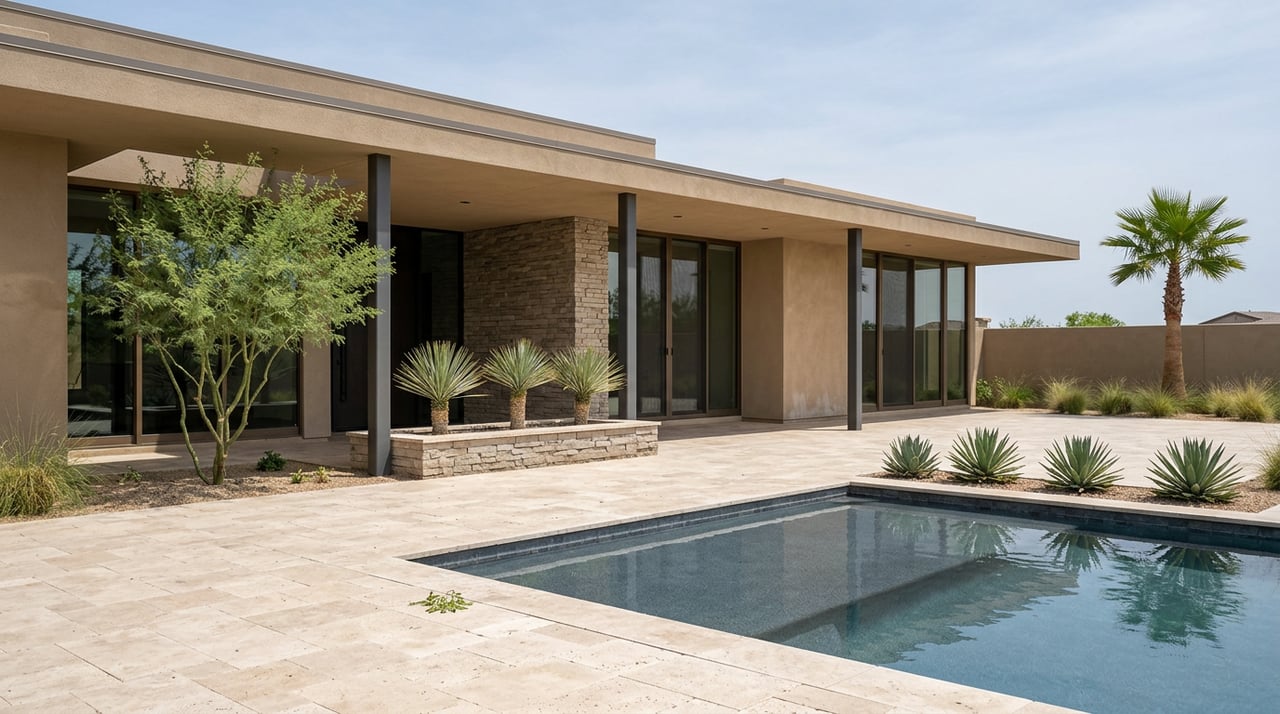
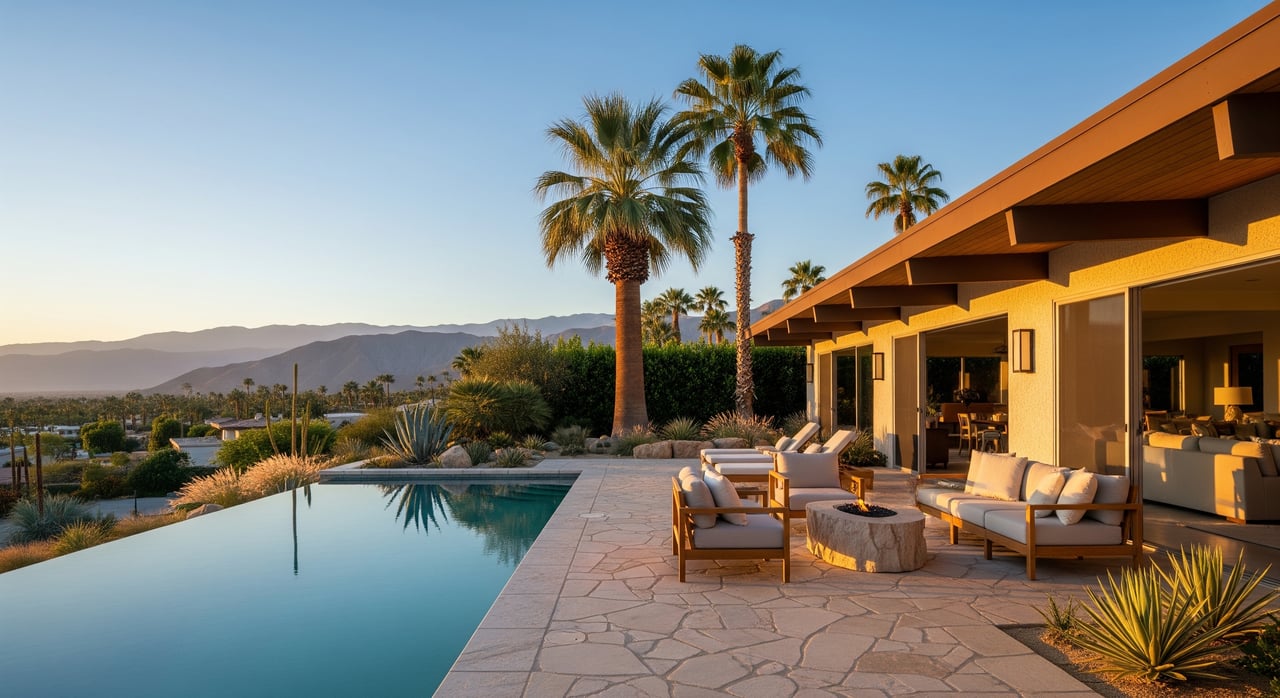
The lifestyle is a major draw. You get golf and tennis communities, miles of hiking nearby, and a rich arts and events calendar that picks up in the winter and spring. Design lovers gravitate to Palm Springs for iconic mid-century architecture, while others prefer quieter, resort-style neighborhoods in Palm Desert and Rancho Mirage.
Climate matters too. Winters are mild and ideal for outdoor living. Summers run very hot, often well over 100°F, which means you either lean into early-morning activities and pool time or plan to visit less during peak heat.
Property types to consider
Condos and townhomes
If you want a lock-and-leave setup, condos and townhomes are everywhere in Palm Desert and Palm Springs resort areas. HOA-maintained exteriors and shared amenities reduce hands-on upkeep when you are away. This is a smart path if you will visit in winter and leave the home vacant for long stretches in summer.
Single-family homes in golf or gated communities
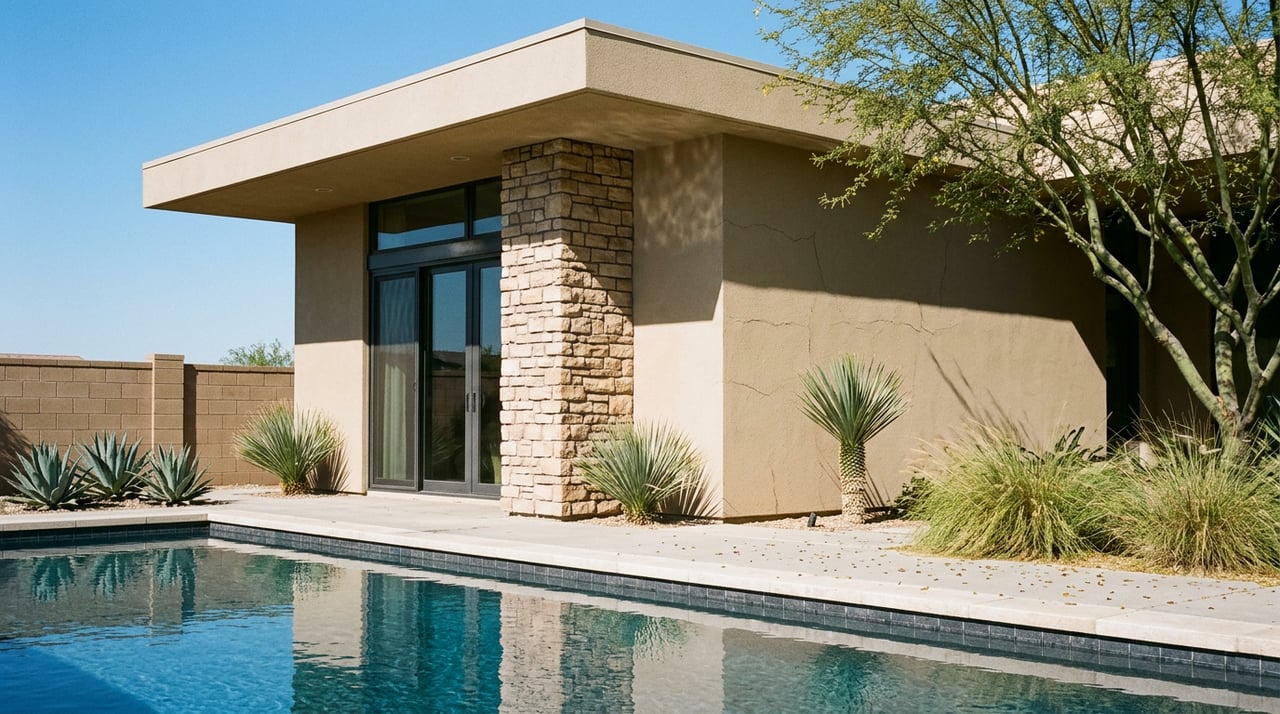
Many second-home buyers choose single-family homes in golf-course or gated neighborhoods, especially in Palm Desert and Rancho Mirage. Backyards often feature private pools and desert-friendly landscaping. Expect more maintenance planning than a condo, but also more privacy and space for guests.
Luxury estates and mid-century homes
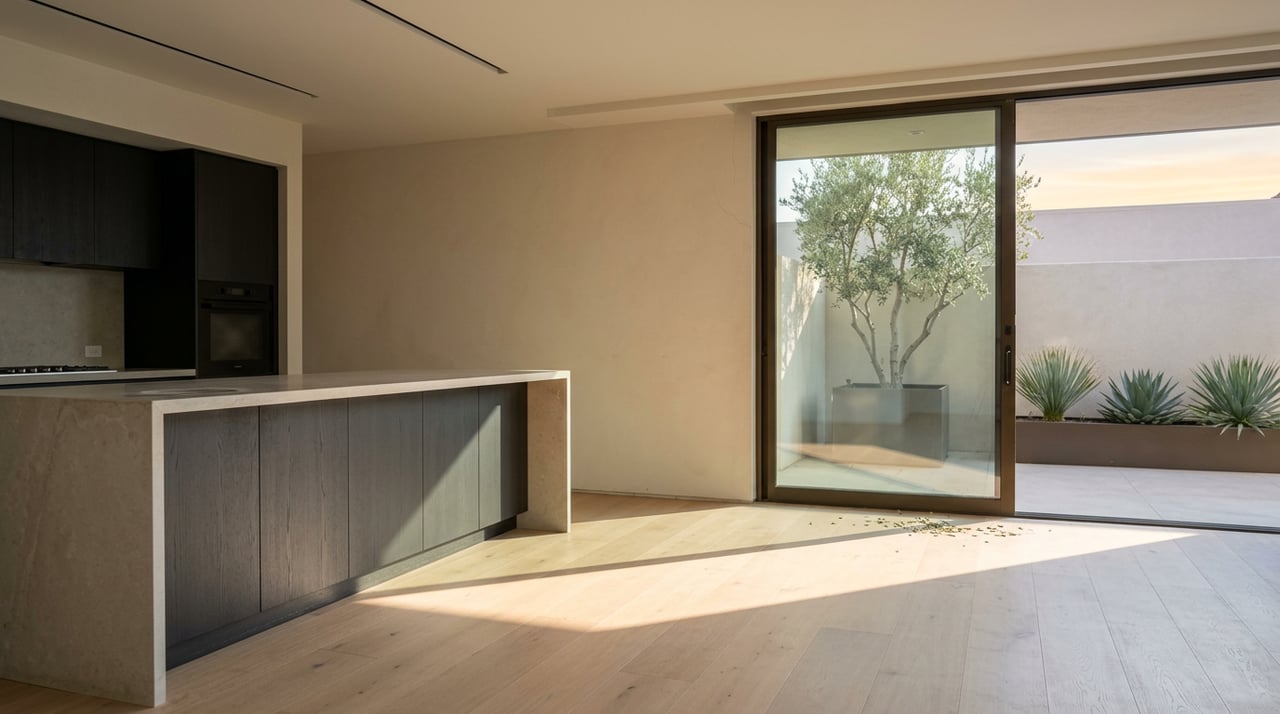
Palm Springs offers an unmatched mix of iconic mid-century modern homes and luxury estates with architectural pedigree. These properties appeal to buyers who value design, outdoor entertaining, and a legacy home they can enjoy for years.
City snapshots to guide your search
- Palm Springs: Strong design culture and mid-century architecture. Short-term rental rules are more restrictive than in some nearby cities, so verify feasibility early if you plan to host.
- Palm Desert: A broad mix of condos and single-family options close to shopping and medical services, plus extensive golf choices. Popular with seasonal residents who want convenience.
- Rancho Mirage: Upscale, resort-style communities and luxury estates in a quieter setting. A fit if you want refined amenities and a relaxed pace.
What it really costs to own
Costs vary by property type, location, and how you plan to use the home. Building a clear budget up front helps you choose the right fit.
Financing a second home
Lenders treat second homes differently than primary residences and investment properties. You will document an intent to occupy seasonally, and you may see slightly higher rates or down payment requirements. If your plan is to rent the home regularly, lenders often classify it as an investment property with stricter underwriting, larger down payments and reserve requirements. Prepare for a thorough review of your credit, debt-to-income ratio and assets.
Ongoing carrying costs
- Property taxes: Riverside County follows California’s Prop 13 framework. As a planning baseline, budget around 1.0 to 1.3 percent of assessed value per year, plus any local assessments.
- HOA dues: Fees vary widely by community and amenities. Condos and full-service associations can run from a few hundred to over one thousand dollars per month.
- Homeowners insurance: Premiums in California have risen in recent years and insurer availability can vary. Some locations may require wildfire endorsements or special programs. If you plan to host short-term guests, expect to add policy endorsements for that use.
- Utilities and energy: Air conditioning drives summer electricity bills, and state electricity prices are often higher than the national average. Plan for seasonal spikes during hotter months.
- Pool and landscape: Routine pool service is commonly in the low hundreds per month. Desert-friendly landscaping helps with water use, though irrigation and seasonal care still apply.
- Maintenance reserve: Many advisors suggest setting aside 1 to 3 percent of property value annually for maintenance and repairs. HVAC service, pest control and periodic updates are part of desert homeownership.
- Rental management: Long-term property managers commonly charge about 8 to 12 percent of collected rent. Short-term rental managers often charge 20 to 30 percent of gross rental revenue, plus cleaning and platform fees. Short-term rentals also carry higher turnover and wear.
Renting your home part-time
Before you count on rental income, confirm that you can legally rent as planned. Each Coachella Valley city has its own short-term rental rules that may include permits, caps, parking standards, occupancy limits, or owner-occupancy requirements. HOAs and condo communities often restrict or prohibit short-term rentals or require additional insurance, so the CC&Rs are decisive.
Taxes also apply. Short-term stays can be subject to local lodging or transient occupancy taxes that hosts must collect and remit. If you rent the property, you will report rental income for tax purposes and follow federal rules for deductions that align with your actual rental and personal-use days. Confirm details with your tax professional.
Insurance needs to match your use. Standard homeowner policies may exclude business activity. If you plan to host short-term guests, ask your carrier about specific host or commercial endorsements so you are covered.
Seasonal use and remote management
Many owners use their homes primarily in winter and shoulder seasons, then reduce use in summer. This pattern aligns well with rental demand, which tends to be stronger in high season and around major events.
If you will be away for months at a time, plan for year-round care. Schedule regular HVAC servicing, maintain the pool during vacancy, and arrange periodic checks for leaks, pests and security. Smart thermostats, smart locks and irrigation monitoring help you manage the home from Bella Vista. Having a reliable local contact or property manager is essential for quick response.
A simple decision checklist
Use this step-by-step list to move from idea to action with confidence:
- Define your primary purpose: personal use, rental income, or a blend. This drives financing, insurance and HOA due diligence.
- Visit in two seasons. Experience winter and summer to assess weather, traffic and neighborhood feel.
- Choose property type and areas. Consider condos for low maintenance, single-family homes for privacy, and design-led homes in Palm Springs for architecture.
- Verify rental feasibility. Check city short-term rental rules and the HOA’s CC&Rs for every property you consider.
- Work with a local agent experienced with second homes and out-of-area buyers. Local knowledge reduces risk and saves time.
- Get insurance quotes early, including any wildfire or short-term rental endorsements.
- Secure lender pre-approval based on second-home intent and confirm down payment and reserve requirements.
- Build a full pro forma: mortgage, taxes, insurance, utilities, HOA dues, pool and landscape care, management fees and vacancy.
- Plan for maintenance and a local point of contact. Decide on a condo association, trusted neighbor, or a property manager.
- Speak with tax and legal advisors about rental income, California tax treatment and capital gains scenarios.
How our team helps Bella Vista buyers
You deserve a process that respects your time and goals. Our team brings decades of Coachella Valley experience to help you compare Palm Springs, Palm Desert and Rancho Mirage with clarity. We guide you to the right fit for your lifestyle, whether that is a lock-and-leave condo, a golf-course single-family home, or a design-forward estate.
Here is how we support your search:
- Strategy first: Clarify your purpose and shortlist the best communities for your needs.
- Curated tours: See properties that match your criteria and timing, organized around your schedule.
- HOA and city rule checks: Surface rules and restrictions early so you can move forward with confidence.
- Offer and negotiation: Position your offer competitively and on terms aligned with second-home financing.
- Vendor introductions: Connect with trusted mortgage partners, insurance resources and local service providers.
- Seamless closing: Our team manages the details so you enjoy a low-stress transition to ownership.
Ready to explore options and run the numbers together? Start a conversation with TeamMichael Hilgenberg, Keller Williams Luxury and get a personalized plan for your Coachella Valley second home.
FAQs
What makes the Coachella Valley practical for Bella Vista weekend use?
- It sits within a roughly 1 to 2.5 hour drive via Interstate 10, and Palm Springs International Airport adds easy flight options for seasonal visits and guests.
How hot does it get in summer, and how does that affect use?
- Summer temperatures regularly exceed 100°F, so many owners visit less in peak months or lean on early activities and air-conditioned indoor time, with higher electricity use for cooling.
Which property type is easiest to maintain from afar?
- Condos and managed communities are generally the simplest due to HOA-maintained exteriors and shared systems, while single-family homes with pools and irrigation require more hands-on management or a local manager.
Can I rely on short-term rental income to offset costs?
- Only if city rules and your HOA allow it; short-term rentals often require permits and specific insurance, and management fees commonly run 20 to 30 percent of gross revenue.
What should I budget for ongoing annual costs beyond the mortgage?
- Plan for property taxes around 1.0 to 1.3 percent of assessed value, HOA dues if applicable, homeowners insurance, higher summer electricity for AC, pool and landscaping care, and a maintenance reserve of 1 to 3 percent of property value.
How do lenders treat second-home financing compared to investment loans?
- Second-home financing usually requires documented intent to occupy, strong credit and adequate reserves, while properties intended primarily for rental are often underwritten as investments with larger down payments and stricter terms.