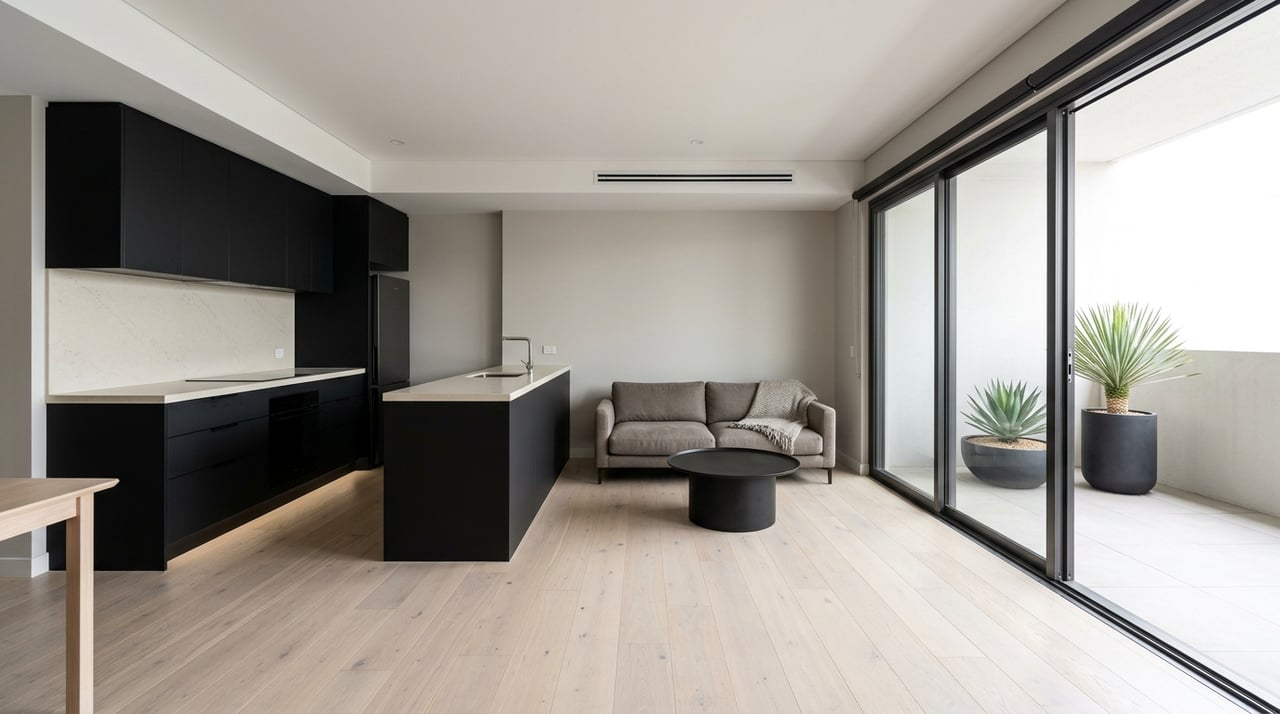
If you are starting a condo or townhome search in Palm Desert, you may already know one thing: attached-home buying is not as simple as comparing photos and prices. Two homes can look similar online but come with very different ownership rights, monthly costs, and rules. This guide will help you understand how Palm Desert condo and townhome buying works, what to review before you commit, and how to compare options with more confidence. Let’s dive in.
Understand the Ownership Structure
In California, a condo or townhome is defined by ownership structure, not just by how the property looks from the street. According to the California Department of Real Estate, a condominium owner typically owns an individual unit plus an interest in shared common areas. In a planned development, the owner usually owns the home on a separate lot and shares common facilities or property through the association.
That matters because a home can look detached and still be part of a common interest development. In Palm Desert, you should not assume the ownership type based on curb appeal alone. Instead, review the deed, CC&Rs, and HOA documents so you understand exactly what you are buying.
Know What Palm Desert Buyers Are Shopping
Palm Desert offers a wide range of attached-home options. Current listing examples range from a 938-square-foot 2-bedroom unit to larger 1,800-square-foot 2-bedroom golf-course condos, along with townhome-style floor plans that include 2-bedroom and 3-bedroom layouts. In practical terms, your search could span everything from a compact lock-and-leave home to a property with space that feels closer to a single-family residence.
That variety is one reason Palm Desert attracts second-home buyers, downsizers, and seasonal owners. You can often find communities that combine manageable square footage with amenities that support a resort-style lifestyle. The key is to match the home’s layout and ownership structure to how you plan to use it.
Palm Desert Lifestyle Often Includes Amenities
Many Palm Desert condo and townhome communities include shared amenities that shape both daily life and monthly cost. For example, Palm Desert Tennis Club includes 100 condominium homes, five pool-and-spa garden areas, eight tennis courts, a heated lap pool, an indoor squash court, and a fitness center. Silver Sands Racquet Club includes 256 townhomes, 15 pools and spas, and active tennis, pickleball, and social programming.
Palm Desert Resorter is a larger gated community with 960 homes, an 18-hole golf course, 20 pools and spas, a large tennis facility, clubhouse dining, and 24-hour guard service. Buyers looking for age-qualified options may also come across Sun City Palm Desert, a 55+ gated and patrolled community with tennis, pickleball, and indoor and outdoor pool facilities.
Amenities can be a major benefit, but they are not free. When you compare communities, think beyond the feature list. Ask yourself whether you will actually use the pools, courts, golf access, dining, or social spaces that help drive HOA costs.
HOA Dues Are Part of the Real Math
The biggest tradeoff in Palm Desert condo and townhome ownership is usually this: less exterior maintenance in exchange for HOA dues and shared governance. California HOA guidance explains that association assessments may fund operations, reserves, common-area maintenance, utilities, insurance, cleaning, and other community costs. If regular dues are not enough, the HOA may also levy special assessments for major repairs or replacements.
That means a lower-maintenance property does not mean a no-maintenance property. You still need to budget for interior repairs and upkeep inside your home. The better question is not just whether the home has an HOA, but what that HOA actually covers.
Ask What the HOA Covers
Before you move forward with a Palm Desert attached home, review the scope of the dues carefully. In some communities, dues may cover roofs, exterior paint, landscaping, pest control, water, trash, cable, or master insurance. In others, the coverage may be more limited.
This is where buyers can make costly assumptions. A home with a lower purchase price may not be the better value if dues are high and coverage is narrow. On the other hand, a higher monthly HOA payment may make sense if it meaningfully reduces your separate ownership costs and future maintenance exposure.
Review the HOA Documents Carefully
California resale law requires the seller in a common interest development to provide a substantial disclosure package before closing. That package includes governing documents, recent HOA financial documents, current regular and special assessments, unpaid assessments or fines, unresolved violation notices, rental restrictions if they exist, board minutes on request, and the latest inspection report.
For Palm Desert buyers, this package is one of the most important due-diligence tools in the transaction. It gives you a clearer picture of monthly carrying costs, the association’s financial position, and any rules that could affect how you use the property. If you are buying a second home, seasonal home, or potential investment property, these details matter just as much as the floor plan.
Older Communities Need Extra Attention
Some Palm Desert condo and townhome communities are well established, and that can be appealing from a location and lifestyle standpoint. Still, older communities and conversion projects may have higher repair and maintenance needs than buyers expect. The California Department of Real Estate notes that HOA costs can rise when associations face larger repair obligations, unexpected repairs, or owner delinquency issues.
That is why you should look past the visible finishes. Fresh paint and updated interiors do not tell you whether the association is planning major work or whether reserves are strong enough to absorb future costs. In attached housing, financial health behind the scenes matters as much as what you see during the showing.
Palm Desert Price Context Matters
Palm Desert’s attached-home market is generally more affordable than its detached-home market, but the exact gap changes based on timing and property type. A June 2026 MLS-based market report showed 151 closed sales in Palm Desert, with condos making up 38% of the market, a combined median sold price of $532,000, and a single-family median of $594,000. That same report showed 4.8 months of supply and 72.4 days on market.
A separate April 2026 sales report showed a wider split, with a $705,000 median for single-family homes and a $466,000 median for condos in Palm Desert. Asking-price data showed a similar pattern, with condos at a median asking price of $473,000 and townhouses at a median asking price of $430,000. For buyers, the takeaway is simple: attached homes can offer a more accessible entry point into Palm Desert, but prices still need to be evaluated in the context of dues, amenities, and ownership terms.
Compare Like With Like
One of the easiest mistakes in this market is comparing unlike properties. A condo in a golf-oriented community should not be judged the same way as a townhome in a smaller non-golf development. A lower sticker price can be offset by higher dues, stricter rental rules, limited parking, or weaker reserves.
A higher price may reflect more privacy, a garage, a stronger HOA balance sheet, or a better amenity package. When you compare Palm Desert options, keep the categories aligned. Condo versus condo, townhome versus townhome, and community versus community is the most useful way to judge value.
A Practical Palm Desert Buyer Checklist
Before removing contingencies, make sure you have answers to the basics:
- Confirm whether the property is a condo, a townhome-style condo, or a planned development
- Review the HOA budget, reserve information, regular dues, and any special assessments
- Check recent board minutes if available
- Ask what the HOA covers and what remains your responsibility
- Review rental restrictions, pet rules, parking rules, guest parking policies, and any age restrictions
- Compare amenities alongside price, not after the fact
- Look at the total monthly ownership cost, not just the mortgage payment
This kind of review can help you avoid surprises and choose a property that fits both your lifestyle and your budget.
Why Local Guidance Helps
Palm Desert has a broad mix of condo and townhome communities, and each one can operate a little differently. The details that matter most are often not visible in the listing photos. Ownership structure, HOA financials, dues coverage, amenity value, and community rules all shape whether a property is the right fit for you.
When you work with a team that understands Coachella Valley micro-markets, you can sort through those differences more efficiently. That can be especially helpful if you are buying from out of area, searching for a seasonal home, or trying to compare several community styles at once.
If you are exploring condos or townhomes in Palm Desert and want practical, local guidance, connect with TeamMichael Hilgenberg, Keller Williams Luxury. You will get experienced support, clear market insight, and help finding the right fit for how you want to live.
FAQs
What is the difference between a condo and a townhome in Palm Desert?
- In California, the difference is based on ownership structure, not just appearance. You need to review the deed, CC&Rs, and HOA documents to confirm whether the property is a condominium or part of a planned development.
What do HOA dues usually cover in a Palm Desert condo community?
- HOA dues may cover items like common-area maintenance, reserves, utilities, insurance, cleaning, and in some communities roofs, exterior paint, landscaping, pest control, water, trash, cable, or master insurance.
Why are HOA documents important when buying a Palm Desert townhome?
- HOA documents can show current dues, special assessments, rental restrictions, unpaid charges, violation notices, financial condition, and other details that affect your costs and flexibility as an owner.
Are Palm Desert condos more affordable than single-family homes?
- Recent Palm Desert market reports show attached homes generally have lower median prices than single-family homes, though the gap varies by month, property type, and community.
What should you compare besides price in a Palm Desert attached-home search?
- You should compare ownership structure, HOA coverage, reserve strength, special-assessment history, rental rules, parking, amenities, and the overall lifestyle fit of the community.