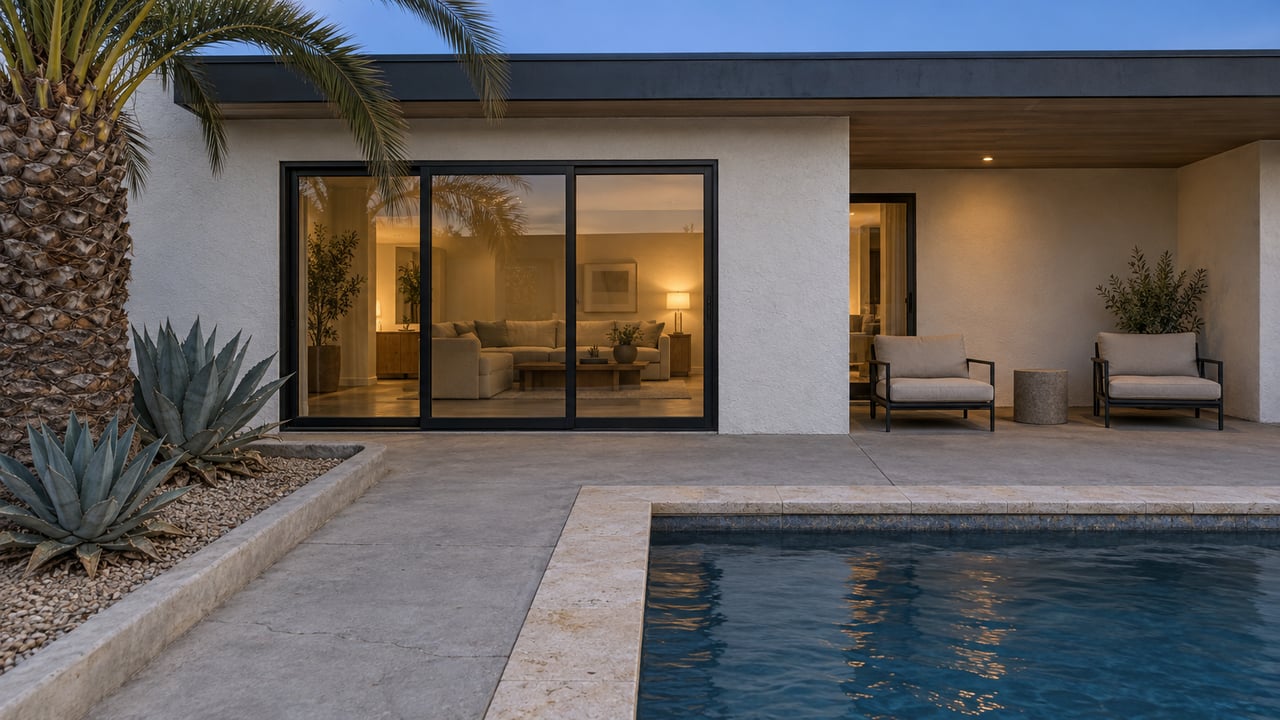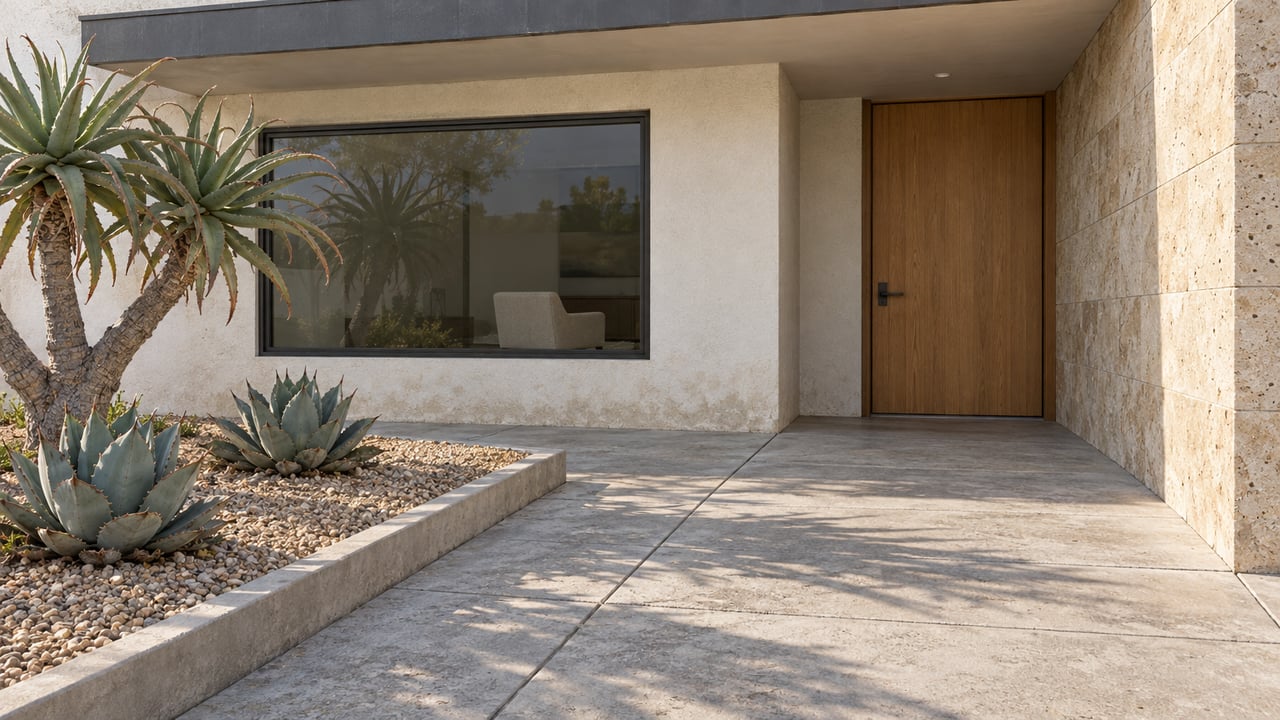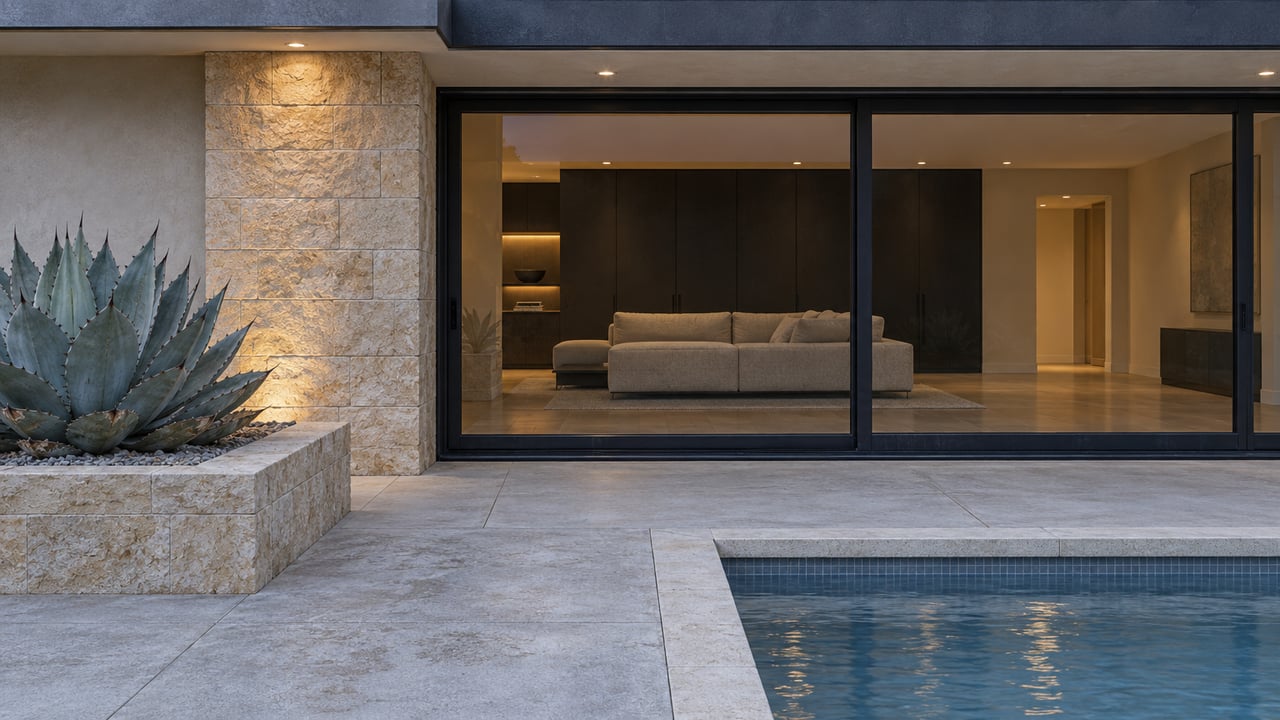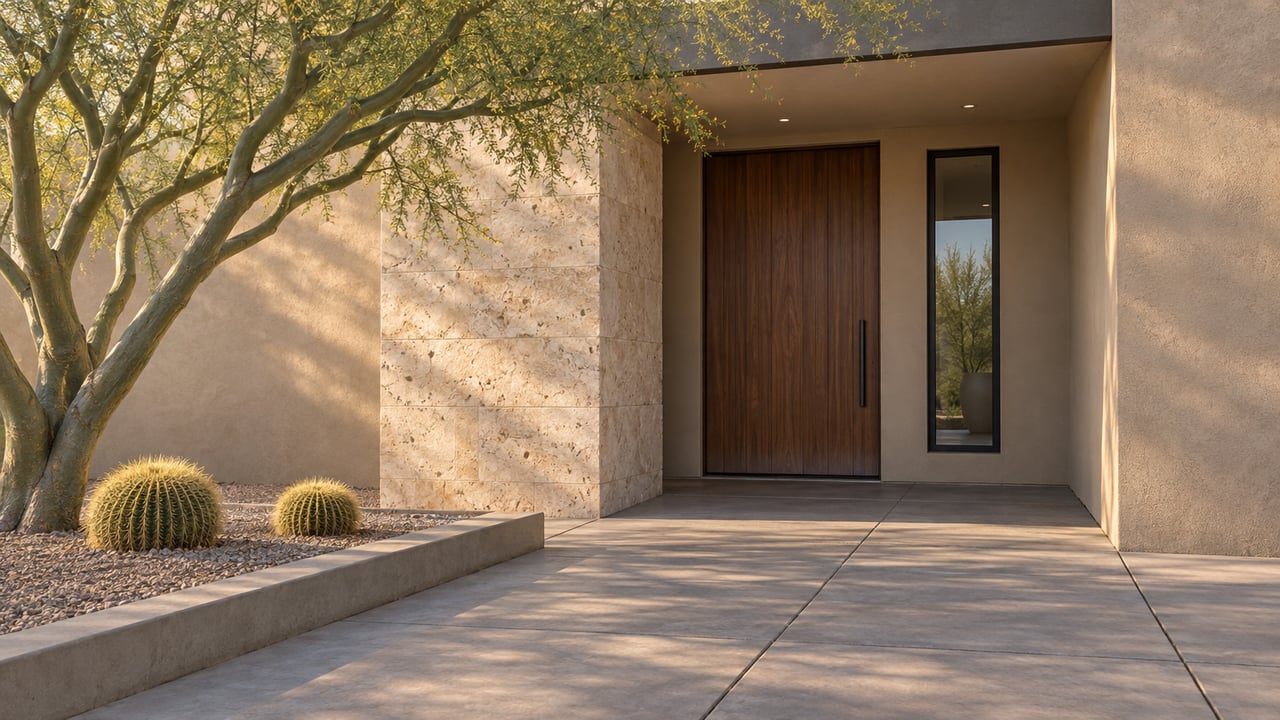
Trying to choose between a brand-new home and a resale property in Indio? You are not alone. For many buyers, the real challenge is not finding options, but figuring out which one gives you better value once you look past the list price. In this guide, you will see how new construction and resale homes compare in today’s Indio market, what costs matter most, and how to decide which path fits your budget and timeline. Let’s dive in.
Indio Buyers Have Real Choices
Indio is not a one-speed housing market right now. Recent market data shows a balanced-to-cool environment, with a median sale price of $535,250 in March 2026 and homes taking about 102 days on market according to Redfin. Zillow also reports an average home value of $516,996 and a median days-to-pending figure of 45 days as of April 30, 2026.
That matters because buyers often have more time to compare options carefully. Realtor.com reports that homes in Indio are selling for about 98% of list price on average, or roughly 1.9% below asking in March 2026. In a market like this, the better question is not simply whether new or resale is cheaper, but which one gives you the best all-in value.
Price Differences Depend on Where You Look
In Indio, the comparison between new construction and resale often overlaps with location and housing age. Realtor.com data shows notable variation by area, with North Indio at a median listing price of $575,000, Southern Indio at $599,000, and Central Indio at $222,000. ZIP code 92203 shows a median list price of $589,000 and 64 days on market, while 92201 shows $544,000 and 77 days on market.
This spread is important because newer subdivisions are often concentrated in certain parts of Indio, while older resale inventory is more common in central and established areas. So when you compare new versus resale, you are often also comparing newer north-valley communities with older or more central neighborhoods.
New Construction in Indio
New-home pricing starts lower than many buyers expect
A common assumption is that new construction always costs much more than resale. In Indio, that is not always true. Current new-home offerings show entry points that can land near the broader market range.
For example, Lennar’s Espana community is marketed from the upper $400,000s, and one current Residence One plan is a 3-bedroom, 2-bath home with 1,229 square feet. Del Webb Desert Retreat starts at $444,990+, while another quick-move-in Del Webb plan is listed from $616,990.
That means some new homes in Indio start in the mid-$400,000s, while larger homes or amenity-rich options move into the $600,000s and beyond. The result is real price overlap with resale homes, especially when you compare homes in North Indio or 92203.
Builder incentives can change your monthly payment
With new construction, the sticker price is only part of the story. Builder incentives can make a meaningful difference in your upfront cash needs and monthly payment.
Lennar states that special promotions may be available when financing through Lennar Mortgage, and its disclosures note that closing-cost incentives may apply only to select homes and may require a purchase agreement and specific closing timeline. Del Webb is currently advertising a 3.99% / 5.873% APR 7/6 ARM on select quick-move-in homes.
If you are comparing a new home with a resale property, this is where the math gets more interesting. A builder rate buydown or closing-cost credit may offset part of the higher base price, at least in the near term.
Recurring costs matter with new construction
A new home may feel simpler because everything is brand new, but it can come with a more layered monthly cost structure. On Lennar’s Espana page, the approximate HOA fee is listed at $194 and the approximate tax rate at 1.9%. Del Webb also notes that community association and golf fees may be required in some cases.
The City of Indio also has a Community Facilities District tied to new development. City documents show that new residential development can be annexed into the district and assessed a special tax to help fund law enforcement, fire, and paramedic services.
These costs do not automatically make new construction a worse deal. They just need to be part of your side-by-side comparison from the start.
Solar is part of the package
California energy rules also affect new construction. The California Energy Commission states that a solar PV system is prescriptively required for all newly constructed buildings. Newly constructed single-family homes without battery storage must still be built with battery-energy-storage-system-ready infrastructure.
For you as a buyer, that means solar is typically part of the design and cost structure of a newly built home in Indio. On a resale property, solar may already be installed, may be absent, or may require future upgrades depending on the home.
Resale Homes in Indio
Resale inventory gives you more variety
One of the biggest advantages of resale homes in Indio is choice. Resale inventory spans a wider range of price points, home styles, lot sizes, and neighborhood settings than the typical builder lineup.
That broader range shows up in the numbers. With neighborhood-level pricing from $222,000 in Central Indio to $599,000 in Southern Indio, resale can open the door to options that may not exist in current new-home communities.
If your top priorities include a specific location, a different lot layout, or an established area, resale may give you more flexibility. It can also give you more opportunities to compare homes with very different value profiles.
Negotiation may be more flexible on resale
Because Indio is currently a balanced market and homes are generally closing below list, resale buyers may find more room to negotiate. That could mean price reductions, repair credits, or other seller concessions depending on the property and competition.
This is one of the strongest resale advantages in a cooler market. A builder may offer incentives in a more structured way, but a resale seller may have more flexibility if the home has been sitting longer or needs updates.
Condition and repair costs are part of the tradeoff
With resale, inspections and disclosures matter even more. The California Department of Real Estate advises buyers to consider not only the purchase price, but also special taxes, assessments, and HOA dues. It also recommends a qualified inspection because every home involves maintenance, and some homes come with unexpected repair costs.
DRE also notes that buyers should typically plan for 5% to 20% down plus 3% to 7% in closing costs. On top of that, a resale purchase may require a maintenance reserve for repairs, replacements, or modernization after closing.
That does not mean resale is riskier across the board. It means the cost picture is often less predictable unless you do careful due diligence.
The Best Way to Compare New vs Resale
Look at the all-in cost, not just the asking price
If you want a clean comparison, focus on total ownership cost. In Indio, that means reviewing these items side by side:
- Base price versus incentive-adjusted price
- HOA dues, community fees, golf fees, and special taxes
- Possible CFD or Mello-Roos charges
- Closing costs and any concessions
- Immediate repair or upgrade needs
- Solar and energy-efficiency features
This approach helps you avoid a common mistake. A resale home with a lower asking price may cost more in repairs and utilities, while a new home with a higher price may come with incentives and lower near-term maintenance.
Do not overlook supplemental taxes
Riverside County states that new construction and change of ownership can trigger a supplemental tax bill, which is a one-time adjustment. This is easy to miss if you are focused only on principal, interest, taxes, and insurance.
Whether you buy new or resale, make sure you understand what your first-year ownership costs may look like. A home that seems manageable at first glance can feel very different once every tax and fee is included.
Think about your timeline
Your expected holding period can shape the smarter choice. If you want a move-in-ready home with fewer repair concerns in the near term, new construction may be attractive. If you plan to hold the property longer and want to prioritize location, monthly carrying cost, or the chance to add value over time, resale may be worth a closer look.
That is especially relevant in Indio because the city continues to plan for future growth. City planning documents describe the 2040 General Plan and related specific plans as a blueprint for new growth and investment, and the city maintains a long list of project master plans and specific plans.
In practical terms, some newer subdivisions may continue to compete with future phases and nearby new-home offerings. That can make details like lot placement, fee burden, and product differentiation more important when you think about future resale appeal.
Which Option Fits You Best?
New construction may fit if you want simplicity
A new home may be the better fit if you want:
- A move-in-ready property
- Standardized systems and newer materials
- Builder incentives that improve monthly affordability
- Energy-code compliance and solar from day one
- Less immediate maintenance planning
For many second-home buyers or out-of-area buyers, this can make the process feel more predictable. You may give up some flexibility in location or character, but gain convenience and a cleaner early ownership experience.
Resale may fit if you want flexibility
A resale home may be the better fit if you want:
- More neighborhood and price-point variety
- Potential room to negotiate on price or concessions
- Different lot sizes, layouts, or established settings
- The option to update over time
- A closer match to a specific part of Indio
If you are comfortable reviewing inspections carefully and planning for maintenance, resale can offer strong value. In a balanced market, that flexibility can be a real advantage.
Choosing between new construction and resale in Indio comes down to your priorities, your budget structure, and how long you expect to own the home. The right choice is not always the one with the lower list price. It is the one that gives you the best overall value once you account for incentives, fees, taxes, maintenance, and your long-term plans.
If you want help comparing neighborhoods, monthly costs, and available homes across the Coachella Valley, connect with TeamMichael Hilgenberg, Keller Williams Luxury for clear guidance and personalized support.
FAQs
What is the difference between new construction and resale homes in Indio?
- New construction homes in Indio may offer builder incentives, newer systems, and required solar features, while resale homes usually offer more neighborhood variety, possible negotiation room, and a wider range of home styles and price points.
Are new construction homes always more expensive in Indio?
- No. Current Indio new-home pricing starts in the mid-$400,000s in some communities, which can overlap with resale pricing depending on the area, home size, amenities, and monthly fees.
What extra costs should buyers check for in Indio new construction?
- Buyers should review HOA dues, community fees, possible CFD or special taxes, tax rates, solar-related costs, and any builder financing terms or closing-date requirements tied to incentives.
Why do resale homes in Indio sometimes offer better negotiation opportunities?
- In today’s balanced market, homes are generally selling below list price on average, so resale buyers may have more room to negotiate price, repairs, or seller concessions depending on the property.
What should buyers review before choosing a resale home in Indio?
- Buyers should review the property inspection, seller disclosures, HOA information, any special taxes or assessments, expected repair needs, and total closing costs before making a final decision.
How should buyers compare new and resale homes in Indio?
- Buyers should compare the all-in cost, including purchase price, incentives, monthly fees, taxes, supplemental tax adjustments, repair needs, and likely ownership timeline, rather than focusing only on the list price.